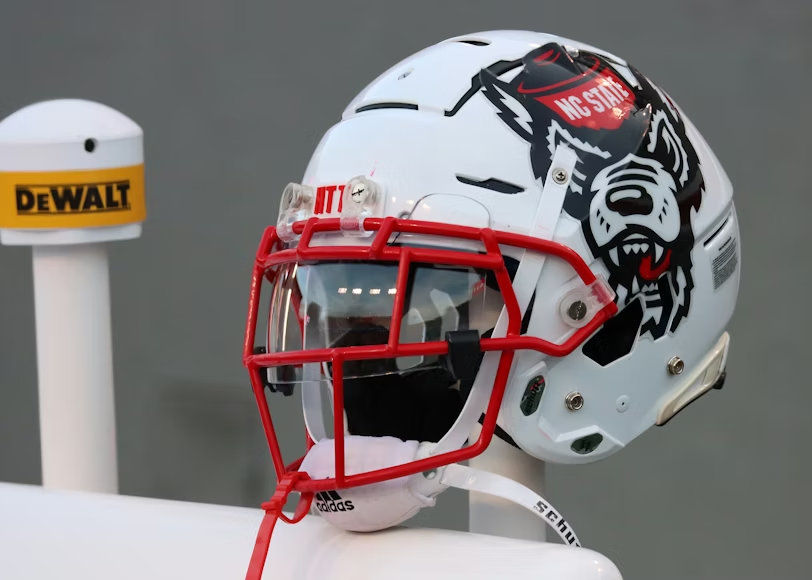

American football has changed a lot over the years, especially when it comes to player safety. One of the most interesting pieces of equipment from the past is the 1950 football helmet. This helmet shows how the game was played in a tougher, more dangerous era, when protection was simple and design was basic. In this article, we will explore the history, design, materials, and importance of the 1950 football helmet and how it helped shape modern football gear.
The Era of Football in the 1950s
The 1950s were a very important time for American football. The NFL was growing in popularity, college football was already huge, and more people were attending games every year. However, player safety was not the main focus back then. The game was rough, physical, and often played with minimal protection.
During this time, the 1950 football helmet became a standard piece of equipment. While it offered some protection, it was far from what players use today. Head injuries were common, and medical research about concussions was still very limited. Even so, the helmet represented progress compared to earlier decades when players sometimes played without any headgear at all.
Design of the 1950 Football Helmet
The design of the 1950 football helmet was simple and practical. Most helmets had a rounded shape that closely followed the head. There were no face masks in the early part of the decade, and if they were present, they were usually single-bar face guards made of metal.
Ventilation holes were placed on the sides and top of the helmet to help reduce heat. The overall look was clean and plain, often painted in solid team colors. Logos were rare, and branding was minimal. Compared to today’s helmets, the 1950 versions look small and thin, showing how much the sport has evolved.
Materials Used in 1950 Football Helmets
Early football helmets were made from leather, but by 1950, most teams had started using plastic helmets. The 1950 football helmet was usually made from hard plastic or early polycarbonate materials. These materials were stronger than leather but still lacked advanced shock absorption.
Inside the helmet, padding was very basic. Foam or rubber pads were used, and many helmets had adjustable suspension systems made of leather straps. These systems helped the helmet fit better, but they did not absorb impact very well. Comfort was limited, and players often complained about pressure points and poor airflow.
Safety Standards in the 1950s
Safety standards in the 1950s were very different from today. There were no strict rules or testing requirements for helmets. Each manufacturer followed its own design ideas, and teams often chose helmets based on availability rather than safety performance.
The 1950 football helmet did help reduce skull fractures compared to earlier helmets, but it did little to prevent concussions. Players were expected to play through injuries, and medical staff had fewer tools to diagnose head trauma. Despite these limitations, the helmet was still seen as an important step forward in player protection.
Popular Brands and Manufacturers
Several companies were known for producing football helmets during the 1950s. Brands like Riddell, MacGregor, and Wilson were among the most popular. Riddell, in particular, played a major role in improving helmet design and later introduced more advanced padding and face masks.
A typical 1950 football helmet from a well-known brand would feature sturdy construction and team-specific colors. These helmets are now highly valued by collectors, especially if they are in good condition or linked to famous teams or players.
Use in Professional and College Football
Both professional and college teams used similar helmet designs in the 1950s. The 1950 football helmet worn in the NFL was often the same as those used in college football, with only small differences in color or padding.
High school football also began adopting plastic helmets during this time, though some schools continued using leather helmets for a few more years. The widespread use of plastic helmets helped standardize the game and made football slightly safer at all levels.
Collecting 1950 Football Helmets Today
Today, the 1950 football helmet is a popular item among sports memorabilia collectors. Vintage helmets are valued for their historical importance and classic design. Collectors look for original paint, intact padding, and manufacturer labels.
Prices can vary depending on condition, brand, and rarity. Helmets connected to famous teams or Hall of Fame players can be especially valuable. Many collectors display these helmets in cases or use them as decorative pieces in sports rooms and museums.
How the 1950 Helmet Influenced Modern Designs
The lessons learned from the 1950 football helmet helped shape the future of football equipment. As injuries became more common and visible, manufacturers started experimenting with better padding, stronger shells, and improved face protection.
By the late 1950s and early 1960s, full face masks became more common, and helmet testing slowly improved. Modern helmets now use advanced materials, multi-layer padding, and strict safety certifications. None of this progress would have been possible without the early designs of the 1950s.
Differences Between 1950 Helmets and Modern Helmets
When comparing a 1950 football helmet to a modern helmet, the differences are huge. Modern helmets are larger, heavier, and far more protective. They include full face masks, chin straps, advanced padding, and impact-absorbing technology.
In contrast, 1950 helmets were lighter and offered limited protection. They were designed mainly to prevent cuts and fractures, not long-term brain injuries. This comparison highlights how much player safety has improved over the decades.
Final Thoughts on the 1950 Football Helmet
The 1950 football helmet is an important symbol of football history. It represents a time when the game was simpler, tougher, and less focused on safety. While these helmets would not meet today’s standards, they played a key role in the evolution of football equipment.
Understanding the history of the 1950 football helmet helps fans appreciate how far the sport has come. From basic plastic shells to high-tech protective gear, football helmets continue to evolve, always aiming to make the game safer for future generations.