
Table of Contents
Introduction
Golf is a sport that demands patience, precision, and constant practice. One of the most useful yet often overlooked tools for golfers of all levels is a golf ball basket. Whether you’re a beginner working on your swing or an experienced player refining your accuracy, having a reliable basket of balls can make a huge difference in your practice sessions. A golf ball basket is designed to hold and organize your golf balls efficiently, allowing you to focus more on your technique instead of constantly collecting balls.
Using a golf ball basket not only saves time but also helps you structure your practice sessions. With a full basket of balls ready at your feet, you can practice long drives, iron shots, or short game techniques without interruptions. This simple accessory encourages consistent repetition, which is key to improving your swing and building muscle memory. Additionally, baskets come in various sizes and materials, from small portable ones for home use to large capacity baskets used at driving ranges. By understanding how to choose the right basket and use it effectively, you can maximize every practice session and take your golf skills to the next level.
What Is a Golf Ball Basket?
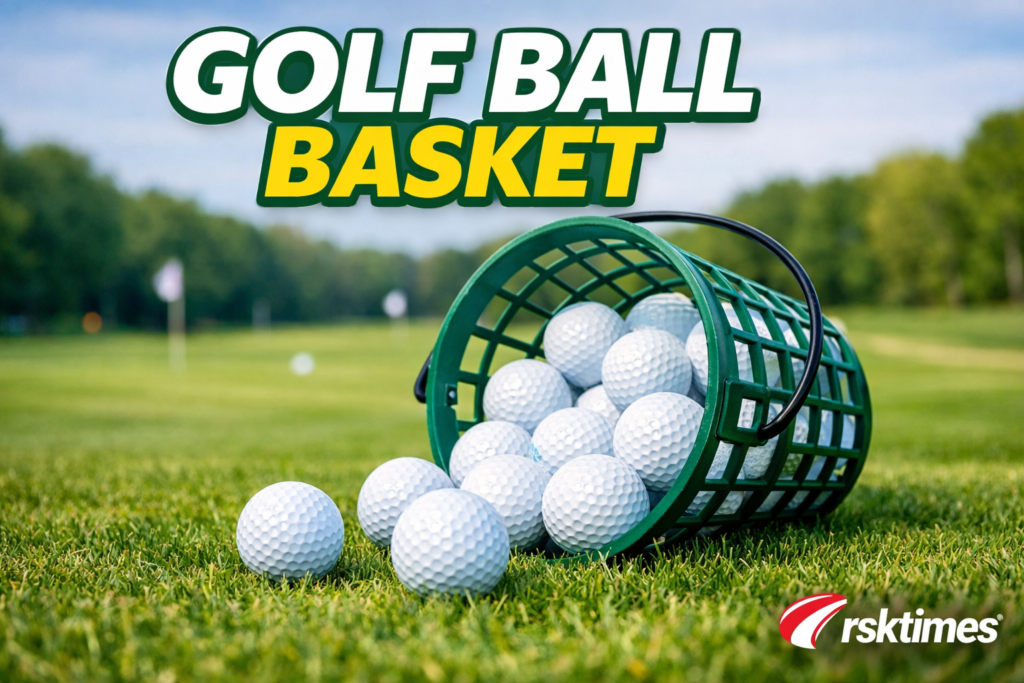
A golf ball basket is a practical and essential accessory designed to hold multiple golf balls in one place, making practice sessions smoother and more organized. Unlike a simple bucket, a golf ball basket is specifically designed for easy access, lightweight handling, and efficient storage of balls during practice. Most baskets are made from durable materials like plastic or metal mesh, allowing golfers to carry dozens, sometimes even hundreds, of balls without worrying about breakage or spills. These baskets are commonly used at driving ranges, golf training facilities, and even at home for backyard practice, giving golfers the flexibility to practice consistently without interruptions. The design ensures that balls are easy to grab quickly, helping maintain the flow of practice, whether you are focusing on your swing, short game, or putting drills. By keeping the balls neatly contained, it eliminates the frustration of constantly picking up scattered balls, which can otherwise break the concentration and rhythm of a productive practice session.
The importance of a golf ball basket extends beyond just convenience. It plays a significant role in building consistent training habits and maximizing efficiency. With a ready supply of balls at hand, golfers can perform repetitive swings that are crucial for developing muscle memory and improving shot accuracy. Golf instructors and professional players often emphasize that uninterrupted practice is more effective than sporadic training, and a golf ball basket facilitates exactly that. In addition to improving practice efficiency, these baskets come in different sizes and styles, catering to the needs of casual players as well as serious competitors. For example, smaller portable baskets are perfect for home or indoor practice, while larger, high-capacity baskets are used on professional driving ranges to allow extensive practice sessions without constant refills. In short, a golf ball basket is not just a container but a strategic tool that supports better practice, consistency, and ultimately, improvement in overall golf performance.
How Golf Ball Baskets Improve Your Practice
Using a golf ball basket can dramatically transform the way you practice and improve your golf skills. One of the biggest challenges golfers face during practice is maintaining focus and rhythm while constantly collecting balls after each shot. A golf ball basket solves this problem by providing a ready supply of balls at your fingertips, allowing you to focus entirely on your technique rather than on gathering balls. This uninterrupted flow of practice enables golfers to perform more repetitions in less time, which is essential for building muscle memory and improving swing consistency. Whether you are working on your drives, mid-range shots, or short game, having a basket of balls allows you to practice efficiently and simulate real-game conditions where multiple shots are taken consecutively. It also helps reduce mental fatigue because you spend less energy on logistical tasks and more on improving precision, control, and confidence in your shots.
Beyond efficiency, a golf ball basket encourages structured and deliberate practice, which is crucial for measurable improvement. By having an organized supply of balls, you can set specific practice routines, such as hitting a certain number of drives from different positions or working on a variety of iron shots without interruption. Golfers can track performance over a session, noting improvements in distance, accuracy, and consistency. For instructors and coaches, baskets make it easier to conduct group lessons or drills because multiple balls are readily accessible, allowing students to rotate quickly and receive immediate feedback. The ability to practice repetitively and consistently not only accelerates skill development but also builds confidence, as golfers can see tangible progress through focused sessions. In essence, a golf ball basket is not just a storage tool but a strategic training accessory that enhances the effectiveness, structure, and overall quality of every practice session.
Types of Golf Ball Baskets
Golf ball baskets come in a variety of types, each designed to meet different needs and practice environments. One of the most common types is the plastic golf ball basket, which is lightweight, durable, and resistant to weather conditions, making it ideal for both indoor and outdoor practice. Plastic baskets are often designed with reinforced edges and a stable base to prevent tipping, and they are easy to clean after use, which helps maintain hygiene and prolong the life of the basket. Another popular option is the mesh or ventilated golf ball basket, which allows air circulation to prevent moisture buildup and reduce the risk of mold or unpleasant odors, particularly when balls are stored outdoors. These baskets are also slightly flexible, making them easier to transport, and the mesh design allows golfers to quickly see how many balls remain without having to lift or move the basket. For golfers who travel frequently or have limited storage space, collapsible or portable baskets are a convenient choice because they can be folded flat, transported easily in a car, and set up quickly at home, driving ranges, or practice facilities. On the other hand, professional driving ranges often use large capacity golf ball baskets that can hold hundreds of balls at a time, allowing multiple players to practice without constant refilling and enabling instructors to conduct efficient group sessions.
Choosing the right type of golf ball basket largely depends on your practice goals, frequency, and environment. Smaller portable baskets are perfect for casual home practice, backyard drills, or indoor nets, providing convenience without taking up much space, while medium to large baskets are better suited for serious golfers who practice regularly and need a high volume of balls to maintain consistent repetition. The material of the basket also affects durability and usability; for example, plastic baskets are lightweight and resistant to rust, while metal baskets can withstand heavier loads but may require more maintenance to prevent corrosion. Ventilated baskets provide the added benefit of keeping balls dry and preventing unpleasant odors, which is particularly useful in humid climates. Ultimately, understanding the different types of golf ball baskets and their specific features helps golfers select the right tool to match their practice routine, ensuring a more organized, efficient, and effective training session every time.
What to Look for When Buying a Golf Ball Basket
When selecting a golf ball basket, it is important to consider several key factors that can significantly impact your practice experience and the overall usefulness of the basket. One of the most important aspects is capacity. Golf ball baskets come in a wide range of sizes, from small baskets holding around 50 balls to large baskets capable of storing 200 or more balls. Choosing the right capacity depends on how often and how intensively you practice. For casual home practice or indoor nets, a smaller basket may be sufficient, while golfers who spend extended sessions at driving ranges or practice frequently may benefit from a larger basket that reduces the need for constant refilling. Another critical factor is material and durability. Baskets made from high-quality plastic are lightweight, weather-resistant, and easy to carry, while metal or wire baskets offer strength and stability but may be prone to rust if left outdoors. Ventilated designs are also worth considering, as they prevent moisture buildup and keep the balls dry and clean, particularly in humid environments or when practicing on wet grass. Stability is another important consideration; a basket with a wide base or sturdy design prevents tipping over when balls are removed quickly, ensuring a smooth and uninterrupted practice session.
Portability and ease of use also play a major role in selecting the perfect golf ball basket. Features like handles, wheels, and collapsible designs can make transportation and storage much easier, particularly if you travel to different practice locations or need to store the basket indoors between sessions. The design should also allow for quick and easy access to the balls, enabling you to grab a ball without slowing down your practice or interrupting your focus. Some baskets come with additional features like compartments for tees or practice aids, which can further enhance the efficiency of your training sessions. Ultimately, choosing a golf ball basket involves balancing capacity, durability, portability, and stability to match your personal practice needs. Investing in a basket that meets these criteria ensures that every practice session is organized, efficient, and effective, helping you develop your swing, consistency, and overall performance over time.
How Many Golf Balls Does a Golf Ball Basket Hold
The number of golf balls a golf ball basket can hold varies widely depending on its size and intended use, and understanding this can help golfers choose the right basket for their practice needs. Smaller baskets typically hold between 50 and 100 balls, which is ideal for casual home practice or indoor use where space is limited and extended sessions are not necessary. Mid-sized baskets usually accommodate 100 to 200 balls, making them perfect for golfers who practice regularly in their backyard or at smaller driving ranges. These baskets strike a balance between portability and capacity, allowing golfers to practice for longer periods without constant refilling. Larger baskets, commonly used at professional driving ranges, can hold 200 to 500 or more balls, making them suitable for intensive practice sessions or group training environments. The size of the basket you choose should reflect how frequently you practice, the duration of your sessions, and the type of drills you intend to perform, as having the right capacity can significantly improve the efficiency and flow of your practice routine.
In addition to the sheer number of balls, the right basket size also contributes to better organization and ease of use. For example, smaller baskets are light and easy to carry, making them convenient for indoor practice or quick backyard sessions, whereas larger baskets, though heavier, reduce the number of trips needed to refill balls during longer practice sessions. Having a sufficient number of balls in one basket allows golfers to focus on structured drills, repetition, and tracking improvement without unnecessary interruptions. A full basket also enables golfers to maintain consistent practice rhythm, which is essential for building muscle memory and refining technique. Furthermore, using a basket of appropriate size reduces clutter on the practice area, ensures a safer environment by preventing balls from rolling around, and supports a more disciplined approach to training. Understanding how many balls your golf ball basket can hold and selecting one that aligns with your practice routine is a crucial step toward more efficient, productive, and enjoyable practice sessions.
Benefits of Using a Golf Ball Basket
Using a golf ball basket offers numerous benefits that go far beyond simply holding golf balls. One of the most significant advantages is the improvement in practice efficiency. Without a basket, golfers often spend a considerable amount of time walking around collecting balls, which interrupts the flow of practice and reduces the number of shots taken in a session. With a basket, all the balls are conveniently contained and easily accessible, allowing golfers to focus entirely on their swing, technique, and consistency. This uninterrupted practice is particularly valuable for beginners who are learning the fundamentals of the game, as well as for experienced players looking to fine-tune their skills. Moreover, having a basket encourages longer and more disciplined practice sessions because the setup is organized, accessible, and ready to use. Golfers can complete structured drills, practice specific shots repeatedly, and track their progress efficiently without unnecessary distractions or interruptions, which ultimately leads to faster skill improvement and increased confidence on the course.
Another key benefit of a golf ball basket is its ability to promote organization and reduce clutter in practice areas. A dedicated basket keeps all balls in one place, preventing them from rolling around and creating hazards or distractions during practice. This not only makes the practice area safer but also more pleasant and professional, whether at a home setup or a busy driving range. Additionally, baskets can contribute to cost savings in the long run, as golfers can buy balls in bulk and store them neatly without the risk of losing or damaging them. Beyond practicality, golf ball baskets also encourage a more intentional approach to training by allowing golfers to focus on specific goals, such as hitting a set number of drives, improving iron accuracy, or practicing the short game efficiently. Professional instructors often emphasize that consistent repetition is the cornerstone of improvement, and a golf ball basket is the perfect tool to support this method. Overall, the benefits of using a golf ball basket include improved efficiency, enhanced practice quality, better organization, cost-effectiveness, and the ability to maintain focus, all of which contribute to stronger performance and a more enjoyable golfing experience.
How to Use a Golf Ball Basket Effectively
Using a golf ball basket effectively requires more than just filling it with balls and placing it on the practice range; it involves integrating it into a structured practice routine that maximizes both efficiency and skill development. One of the best ways to use a basket is to position it close to your hitting area so that balls are always within easy reach, minimizing wasted movement and maintaining a consistent rhythm during practice. Golfers should plan their sessions with clear objectives, such as focusing on drives, mid-range iron shots, or short game techniques, and then use the basket to supply a steady flow of balls for repetition. Repetitive practice is essential in golf, as it builds muscle memory, improves swing mechanics, and enhances shot accuracy. By having all balls readily available, golfers can take multiple consecutive shots without interruption, allowing them to focus on form, posture, alignment, and follow-through. This method also helps golfers simulate real game situations, where multiple consecutive swings are often required, and ensures that practice is deliberate and goal-oriented rather than random or inefficient.
Beyond placement and repetition, using a golf ball basket effectively also involves organizing drills and monitoring progress during practice. For instance, golfers can count the number of successful shots for each club, set specific targets for accuracy, or alternate between different types of shots without pausing to retrieve balls. Instructors often recommend structuring practice sessions into timed intervals or sets of shots, which the basket makes easy to accomplish by keeping all balls contained and accessible. Additionally, the basket can be used in combination with other training aids, such as alignment sticks, swing trainers, or putting mats, to create a comprehensive and focused practice environment. By integrating the golf ball basket into a consistent and strategic practice routine, golfers not only improve their technical skills but also develop mental focus, patience, and discipline. This approach ensures that every session is productive, goal-driven, and capable of producing measurable improvement over time, demonstrating that the golf ball basket is far more than a simple container—it is an essential tool for effective and professional-level golf training.
Maintenance & Care Tips for Your Golf Ball Basket
Proper maintenance of a golf ball basket is essential to ensure it remains durable, functional, and safe to use over time. One of the most important aspects of caring for your basket is regular cleaning, especially after outdoor practice sessions. Dirt, grass, and moisture can accumulate in the basket, particularly in mesh or ventilated designs, which can lead to unpleasant odors or even mildew if left unattended. To maintain your basket, it is recommended to rinse it with clean water after each use, removing any debris and allowing it to dry completely before storage. This simple step prevents corrosion in metal baskets and keeps plastic baskets in good condition, preserving their structural integrity. Storing the basket indoors, especially during harsh weather conditions such as heavy rain, extreme heat, or snow, can also extend its lifespan. Exposure to prolonged sunlight or freezing temperatures can weaken materials over time, so keeping the basket in a dry, protected environment is a key factor in its longevity.
Another critical aspect of maintaining a golf ball basket is proper usage and handling. Overfilling the basket beyond its designed capacity can strain handles, damage the structure, and reduce stability, leading to tipping or breakage. It is important to respect the manufacturer’s guidelines regarding maximum capacity and to avoid dropping or dragging the basket over rough surfaces, which can wear down materials and compromise its functionality. For collapsible or portable baskets, care should be taken when folding or unfolding them to prevent bending or tearing the frame. Additionally, periodically inspecting the basket for cracks, loose components, or other signs of wear ensures that it remains safe to use during practice. With these maintenance practices, golfers can enjoy the benefits of a fully functional golf ball basket for many years, maintaining an organized, efficient, and safe practice environment that supports continuous improvement and better performance on the course.
Frequently Asked Questions (FAQ)
Golfers often have several questions about golf ball baskets, especially when deciding which type to buy or how to use them most effectively. One common question is what distinguishes a golf ball basket from a standard golf ball bucket. While both can hold golf balls, a basket is specifically designed for practice efficiency and accessibility. Golf ball baskets are generally lighter, easier to carry, and often feature ventilated or collapsible designs that make it simple to transport and store balls. They are also engineered for quick access, allowing golfers to grab a ball in one smooth motion, which keeps practice sessions flowing without interruptions. Another frequently asked question is whether professional golfers use golf ball baskets. While professionals often have access to large quantities of balls at driving ranges, many still rely on baskets for structured drills and consistent repetition, as the baskets facilitate organization and maintain a steady rhythm during practice sessions, proving their usefulness at all levels of the game.
Another common concern is whether golf ball baskets can be used indoors or in smaller spaces. The answer is yes, but with some considerations. For indoor use, a smaller portable or collapsible basket is ideal because it is lightweight and easy to move, ensuring it fits within the limited space without creating clutter or hazards. Indoor practice nets and mats can be paired with these baskets to simulate driving range conditions, allowing golfers to work on swing mechanics, ball contact, and accuracy from the comfort of their home. Additionally, golfers often wonder about the maintenance and longevity of their baskets, and as previously discussed, proper cleaning, careful handling, and appropriate storage are essential to ensure that the basket remains in good condition over time. By addressing these common questions, golfers can better understand how to choose, use, and care for a golf ball basket, making it a reliable and practical tool for improving performance and maintaining a structured practice routine.
Conclusion
A golf ball basket is more than just a container for golf balls; it is a vital tool that can significantly enhance the quality and efficiency of your practice sessions. By keeping balls organized, accessible, and ready for repeated use, a basket allows golfers to focus fully on improving their technique, building muscle memory, and developing consistency in their swing. Whether you are a beginner learning the basics or an experienced player refining your short game, having a reliable basket makes practice more structured and goal-oriented. The variety of baskets available, from small portable models to large high-capacity designs, ensures that every golfer can find a solution that fits their practice environment and personal needs. By choosing the right basket, incorporating it into a well-planned routine, and practicing consistently, golfers can maximize the effectiveness of each session, turning practice time into measurable improvement and enhanced performance on the course.
Moreover, investing in a golf ball basket offers long-term benefits beyond convenience. It promotes organization, reduces distractions, and encourages more disciplined practice, which is essential for skill development. A properly maintained basket can last for years, providing a steady supply of balls and supporting structured training that leads to better results. For golfers who value efficiency, performance, and a professional approach to practice, a golf ball basket is an indispensable accessory that bridges the gap between casual practice and serious improvement. By understanding the types, benefits, and best practices for using and caring for a basket, every golfer can create a more enjoyable, productive, and effective training routine. Ultimately, the golf ball basket is a small investment that delivers significant returns in skill development, confidence, and overall enjoyment of the game, making it a must-have for anyone looking to take their golf practice to the next level.